
Normal and Abnormal Hair Loss

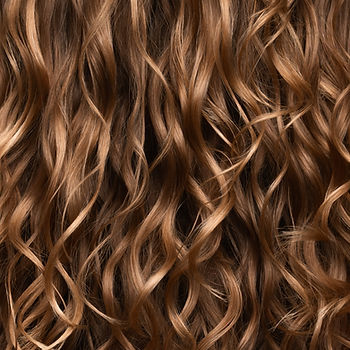
It’s a completely normal aspect of your hair cycle to lose hair every day — anywhere from about fifty to one hundred hairs. The number depends on your texture and density. If your hair is thick, curly, or you wear it up often, those shed strands can cling together and collect. When you finally wash or brush it out after a few days in a ponytail, it can look like a lot came out all at once, when really it’s just a few days’ worth of normal shedding bundled together.
It's important to keep the scalp clean when you’re tracking hair changes. It’s easier to see what’s actually shedding, and clean follicles respond better to any products or treatments you’re using. Some people even save their shed hair in small bags to measure what’s coming out over time, though you can also have a trichologist measure it professionally to get a more accurate picture.
Normal shedding is simply the hair cycle doing what it’s supposed to do. Each strand grows for several years, rests for a bit, and then gently releases. That’s why you’ll find hairs on your pillow, in your shower, or in your brush. The follicle is making room for new growth. What matters is that this happens gradually and evenly across the scalp. You shouldn’t be noticing bare patches or thinner spots compared to the rest of your hair. In that case, you could be dealing with an effluvium that is related to something else going on in the body.
If you ever see an actual bald spot — even something as small as a pencil eraser — that’s a red flag. Round, patchy, or uneven loss isn’t part of normal shedding, and it can mean something deeper is happening, like inflammation, traction from tight hairstyles, or a hormonal or autoimmune trigger. In that case, it’s important to have it checked by a trichologist or dermatologist so the cause can be addressed before it progresses.
Even when your hair is healthy, shedding can increase for a while after stressful events. Your body always prioritizes healing and survival first — things like surgery, childbirth, illness, or even significant weight loss can make it redirect resources toward recovery instead of hair growth. Think about what happens when you get a cut: the body focuses on repairing that skin tissue. Hair growth is secondary. A good example is postpartum recovery. Many women are up and caring for their babies right after a C-section, even though their body is still healing from major surgery. It takes energy to rebuild tissue and regain balance, and during that time, the hair cycle can pause or shed more than usual.
Every person’s normal looks a little different, so the key is knowing your own baseline — how much you typically shed, how your density feels, and what your scalp looks like when it’s healthy. Quality hair growth happens when your body is functioning well. When you’re rested, nourished, and balanced, your hair reflects that. But when your body is busy fighting a cold, recovering from something, or simply under stress, shedding can increase temporarily. It’s your body’s way of asking for a little extra care, not a reason to panic.
If the increased shedding after an event is bothersome, we can always introduce topicals, supplements, and better hair habits to boost growth while we recover. If you are looking for suggestions, contact your local friendly hometown hair loss specialist who can help you figure out if you are experiencing normal or abnormal hair loss.


Comments